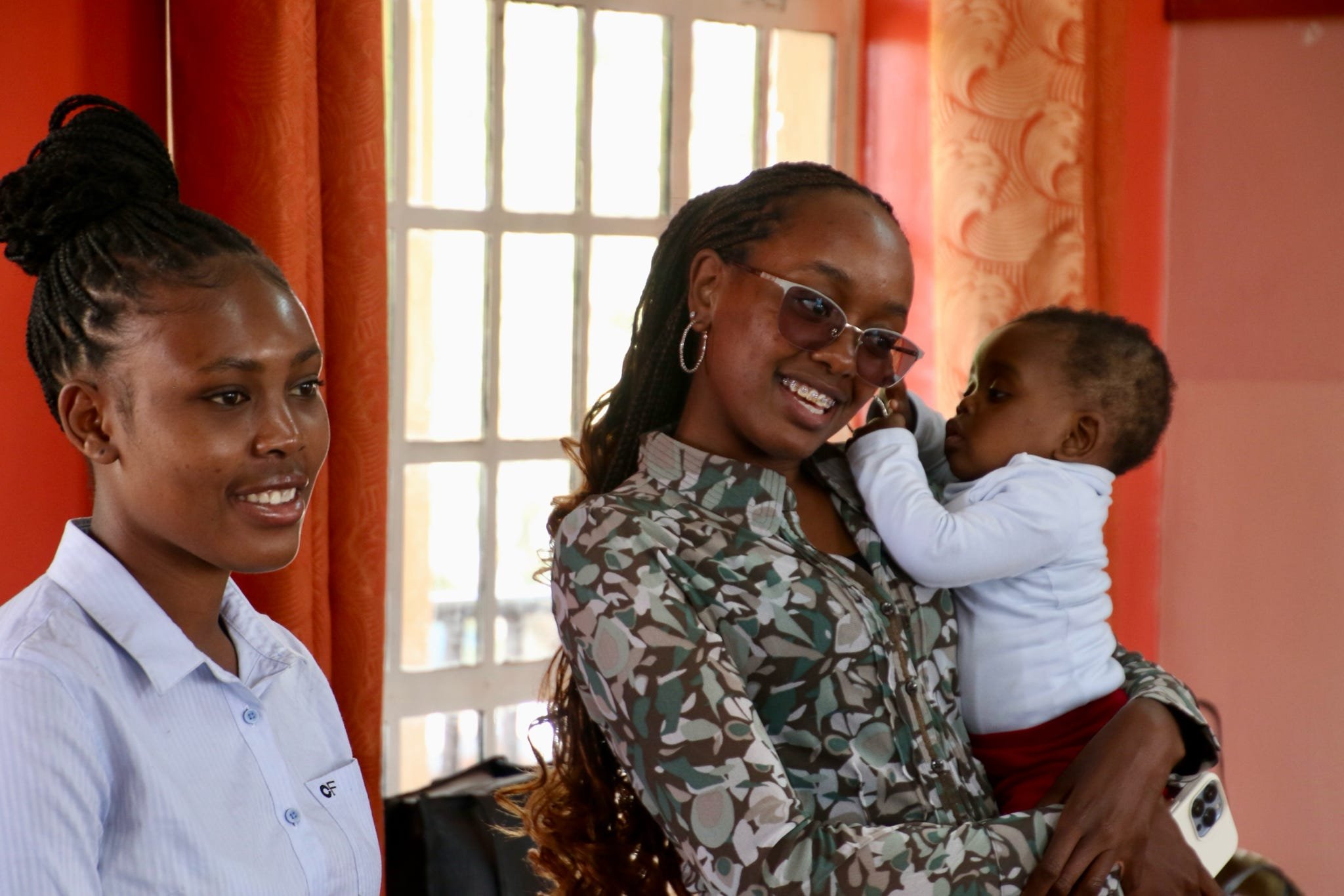
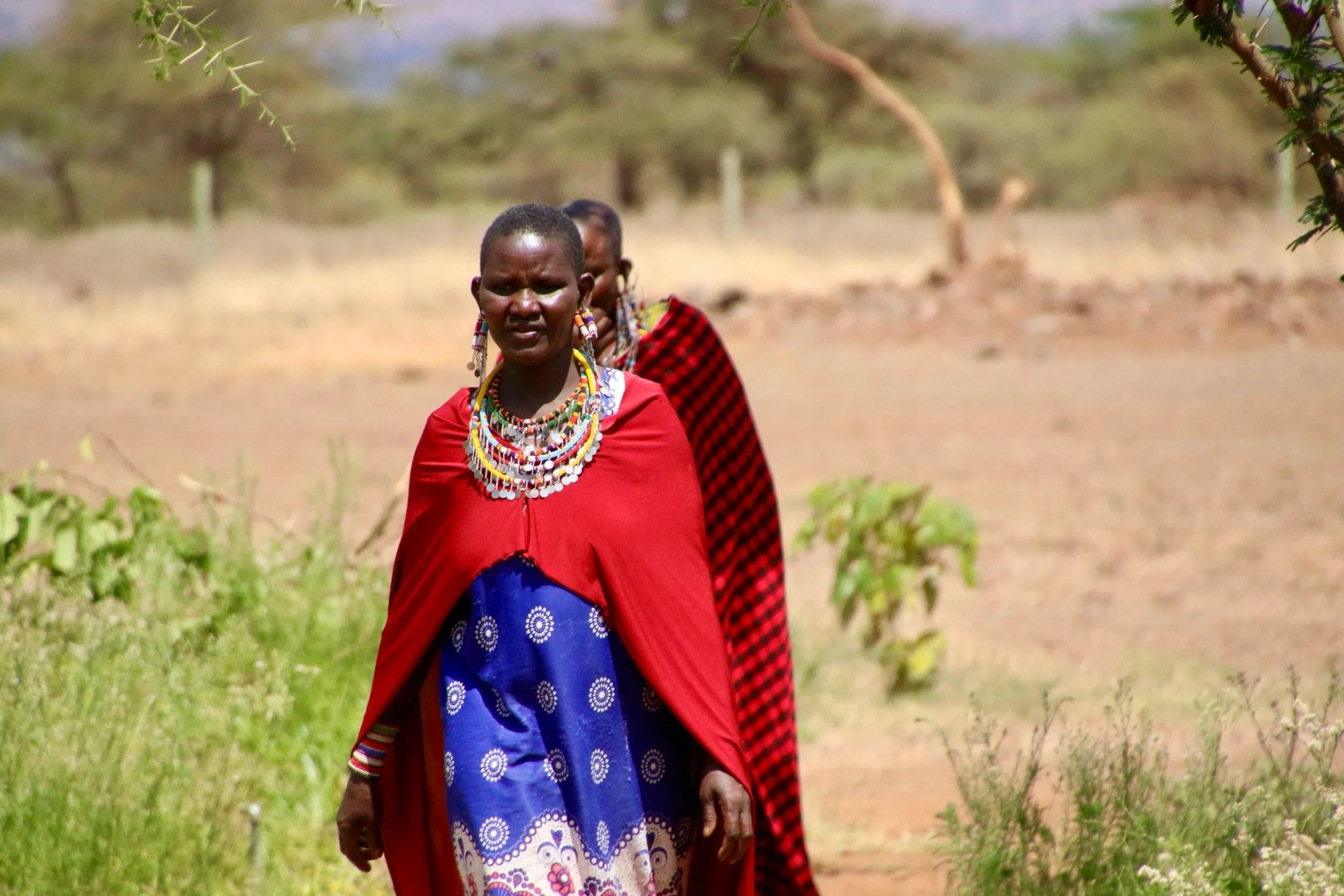
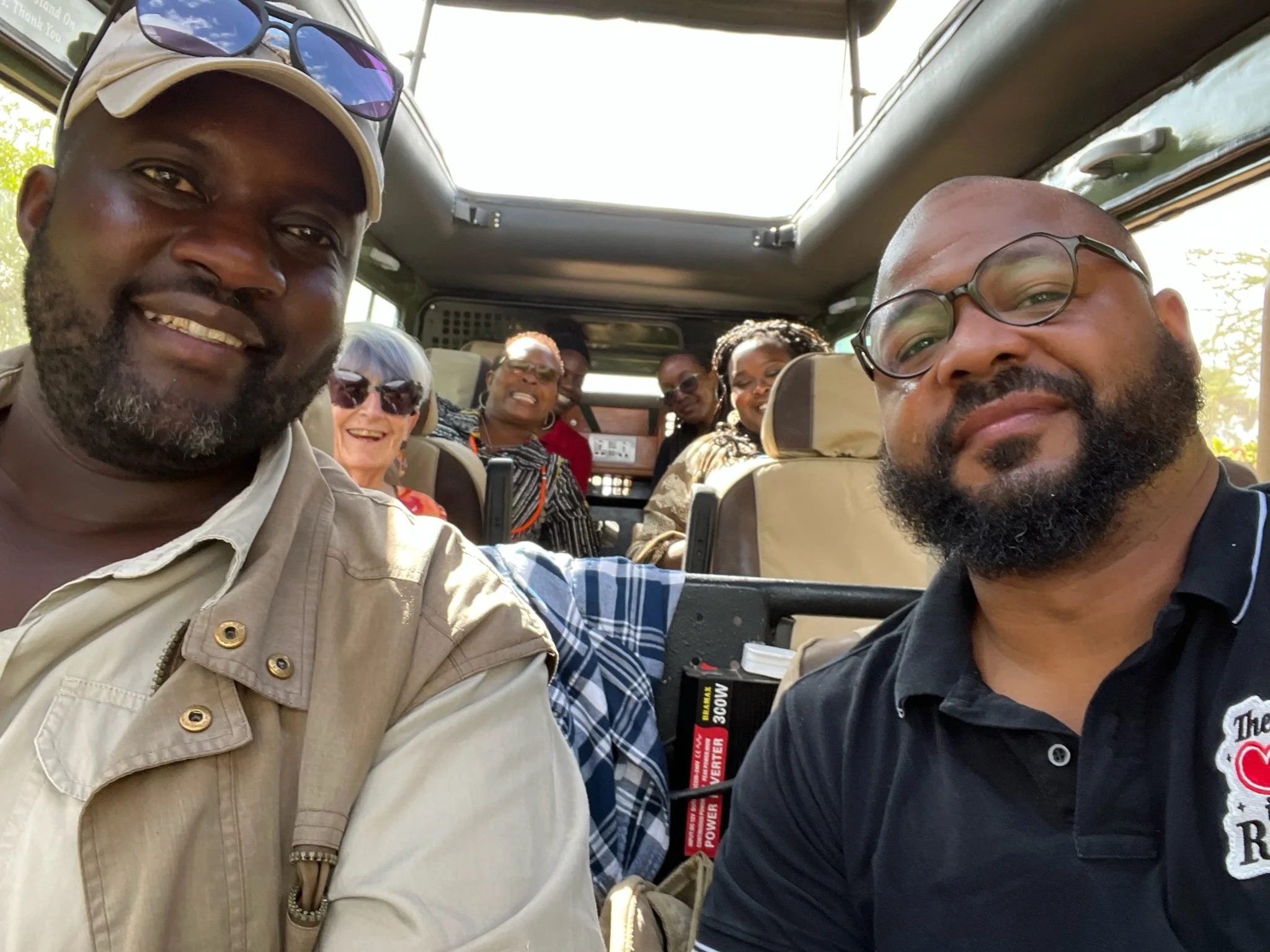
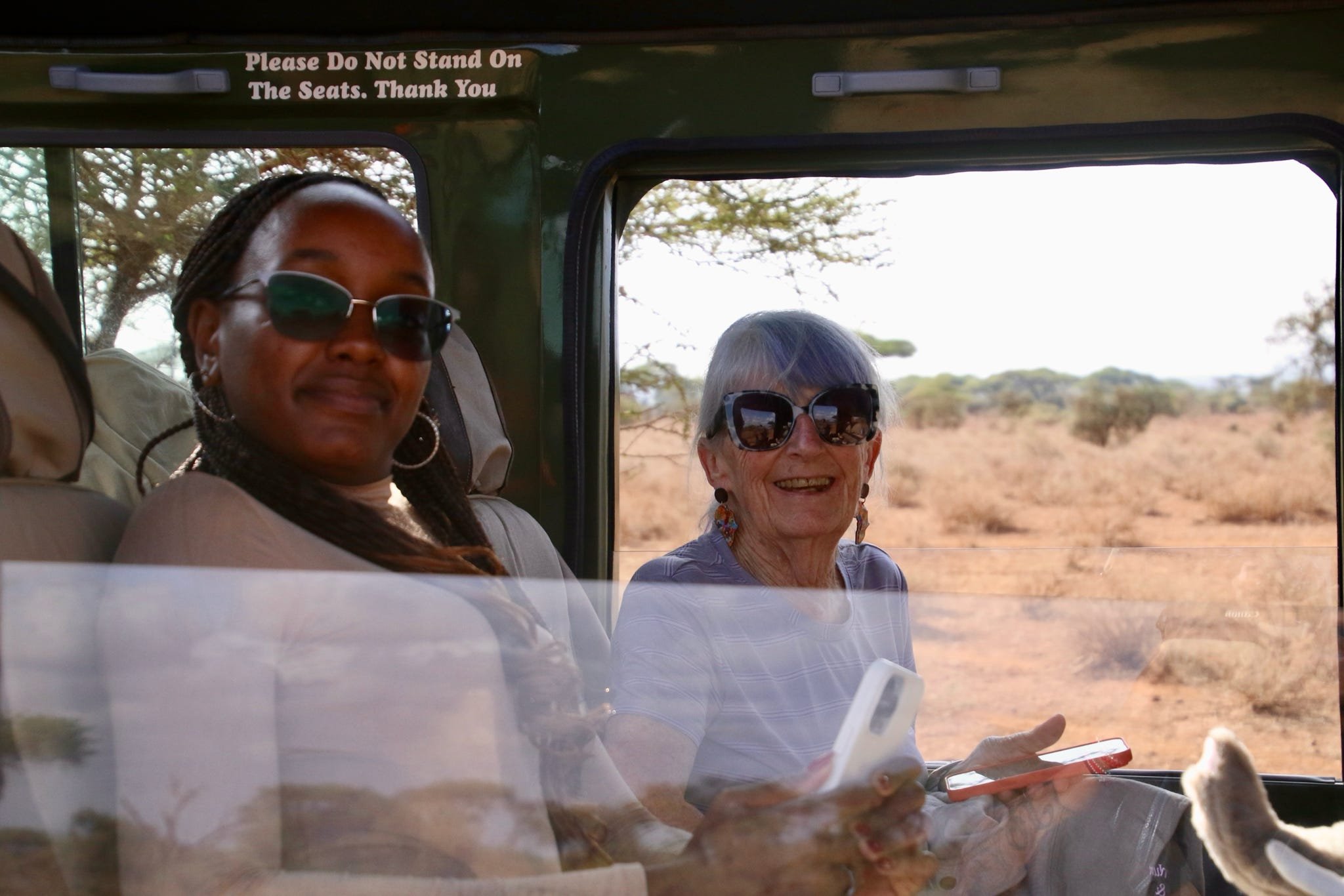
There is a word that continues to anchor my most recent time in Kenya: accompaniment.
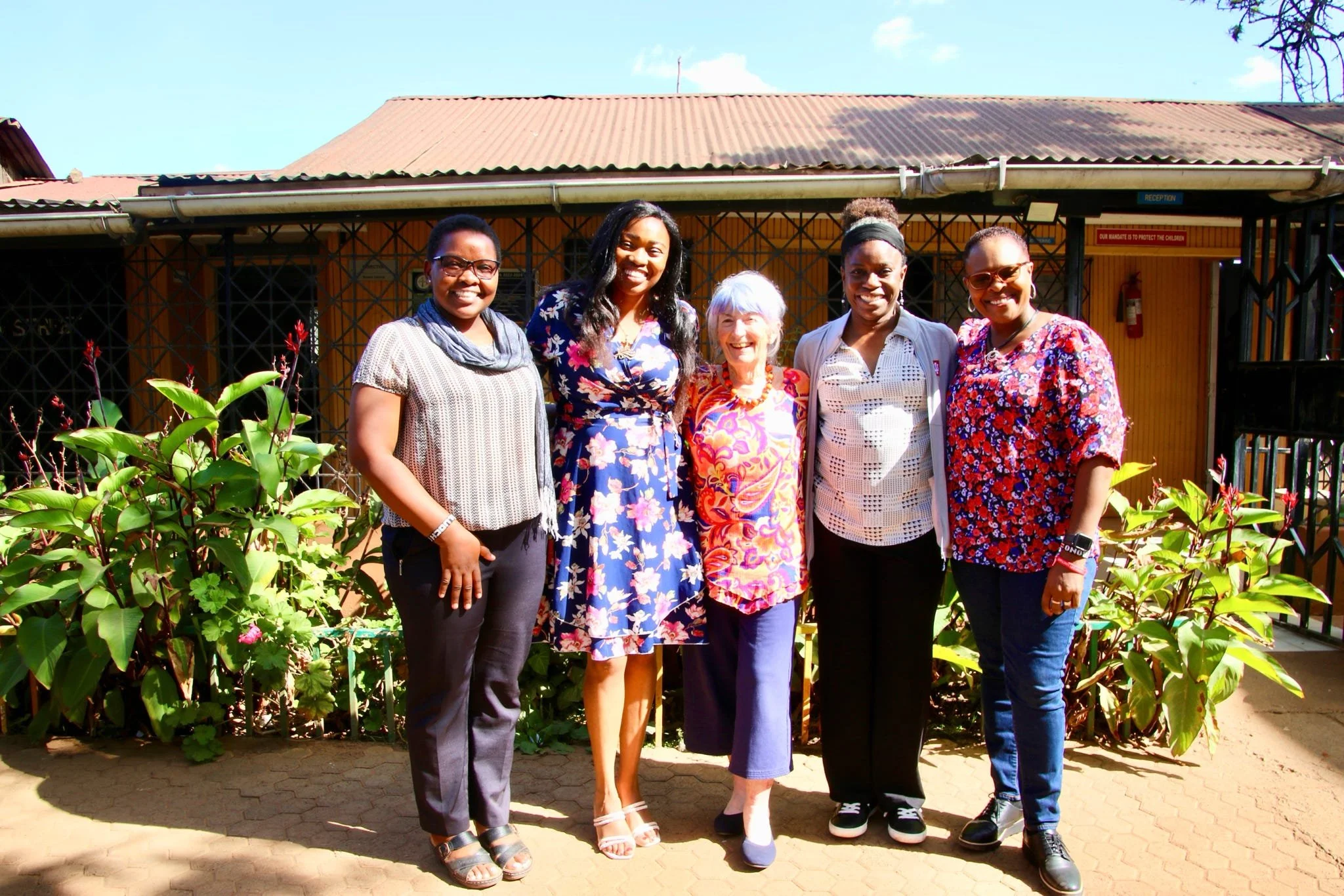
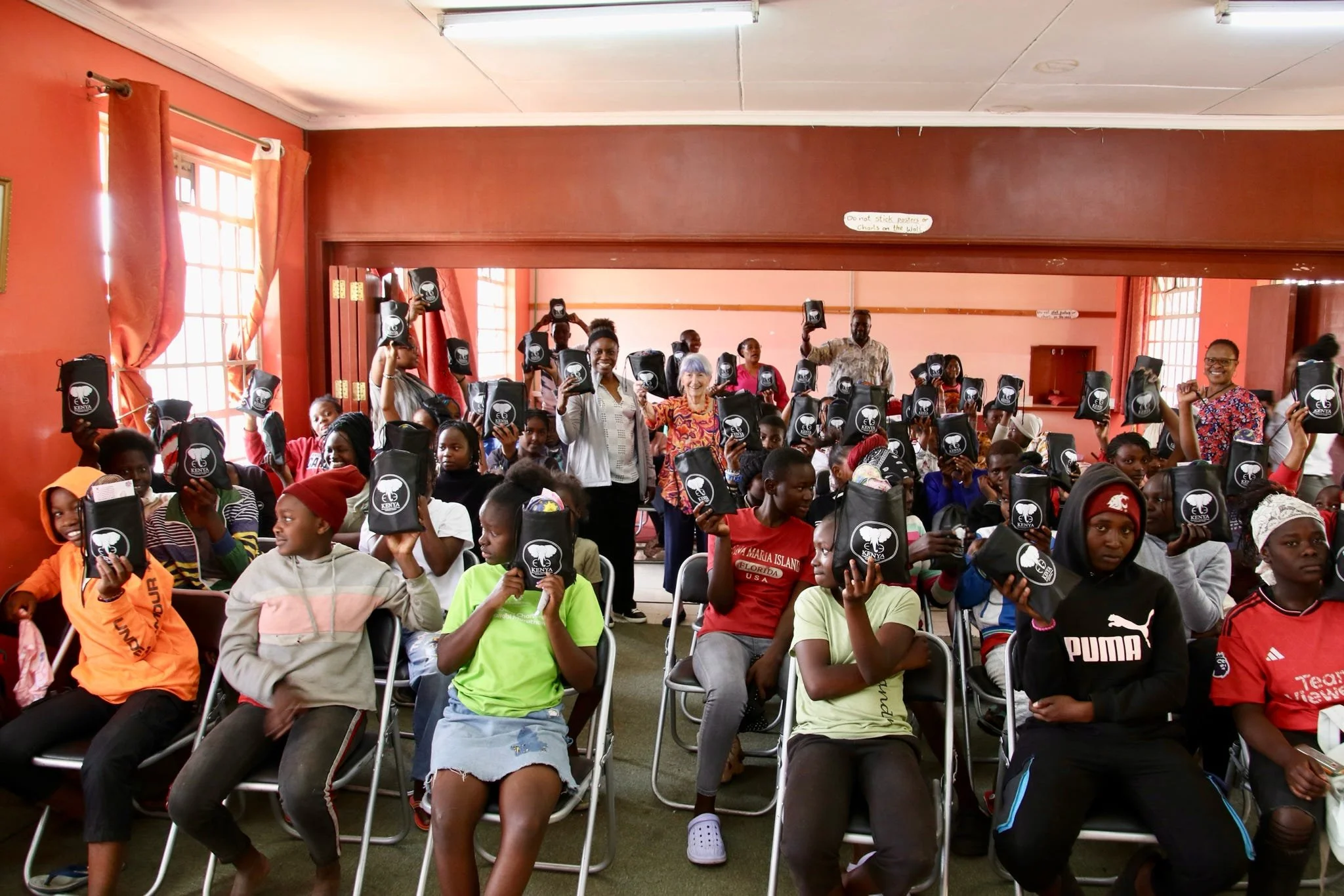
This trip reminded me that going to Kenya does not always have to center my work. Sometimes, the most meaningful contribution comes from showing up to support someone else’s work and trusting that, through shared presence and care, it becomes the work we do together. That is what accompaniment looked like alongside Channa Beth and E3 Kenya.
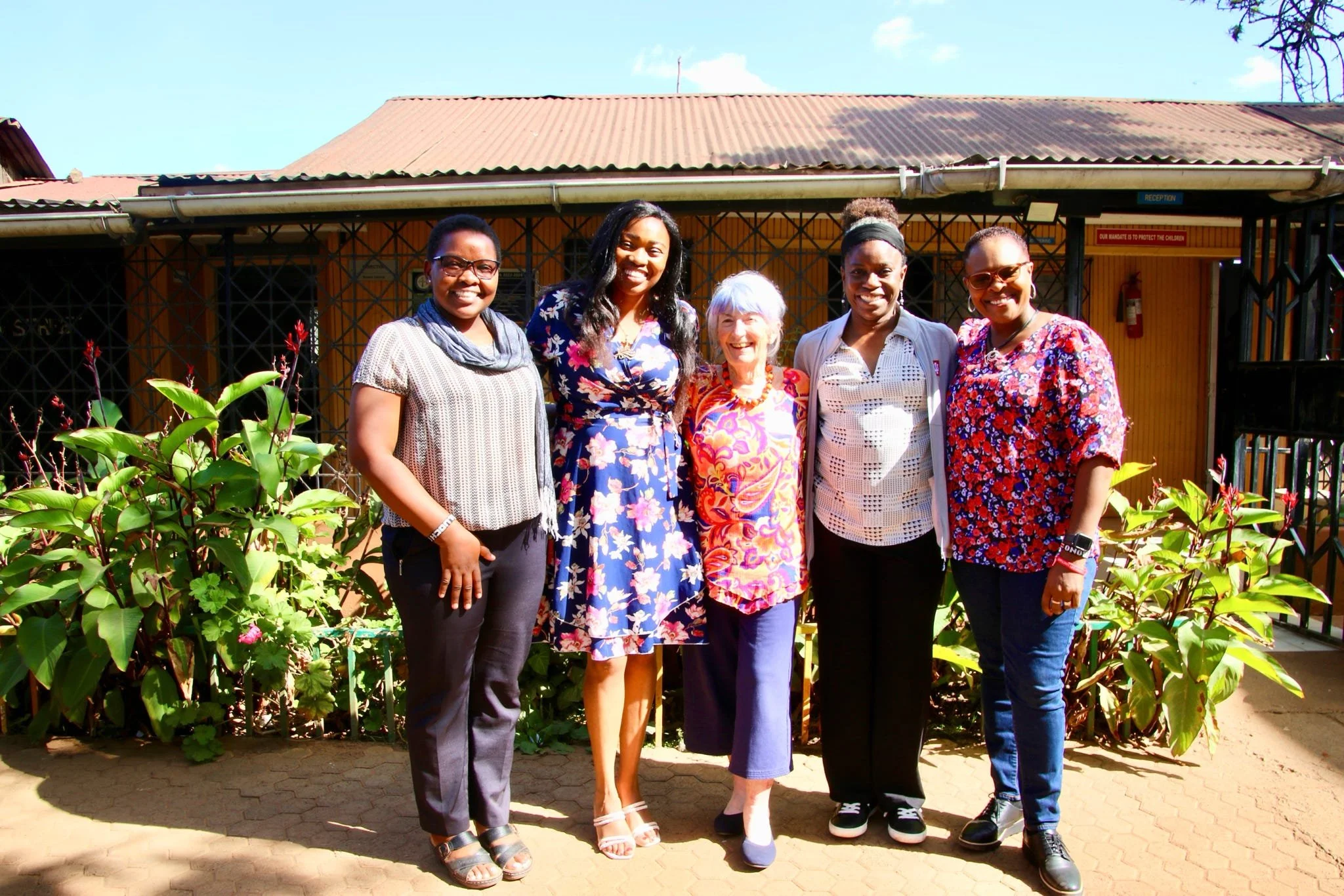
Walking With, Not Ahead
Accompaniment asks us to move differently. It resists urgency and performance. It invites humility. On this visit, I was not there to direct or redesign. I was there to walk with, to listen, to support, and to be responsive to the work already unfolding. That meant paying attention to relationships, cultural context, and the leadership already rooted in the community.
Sometimes accompaniment meant stepping back. Other times it meant stepping in, when invited, to help think through logistics, reflection, or next steps. Always, it meant honoring local leadership.
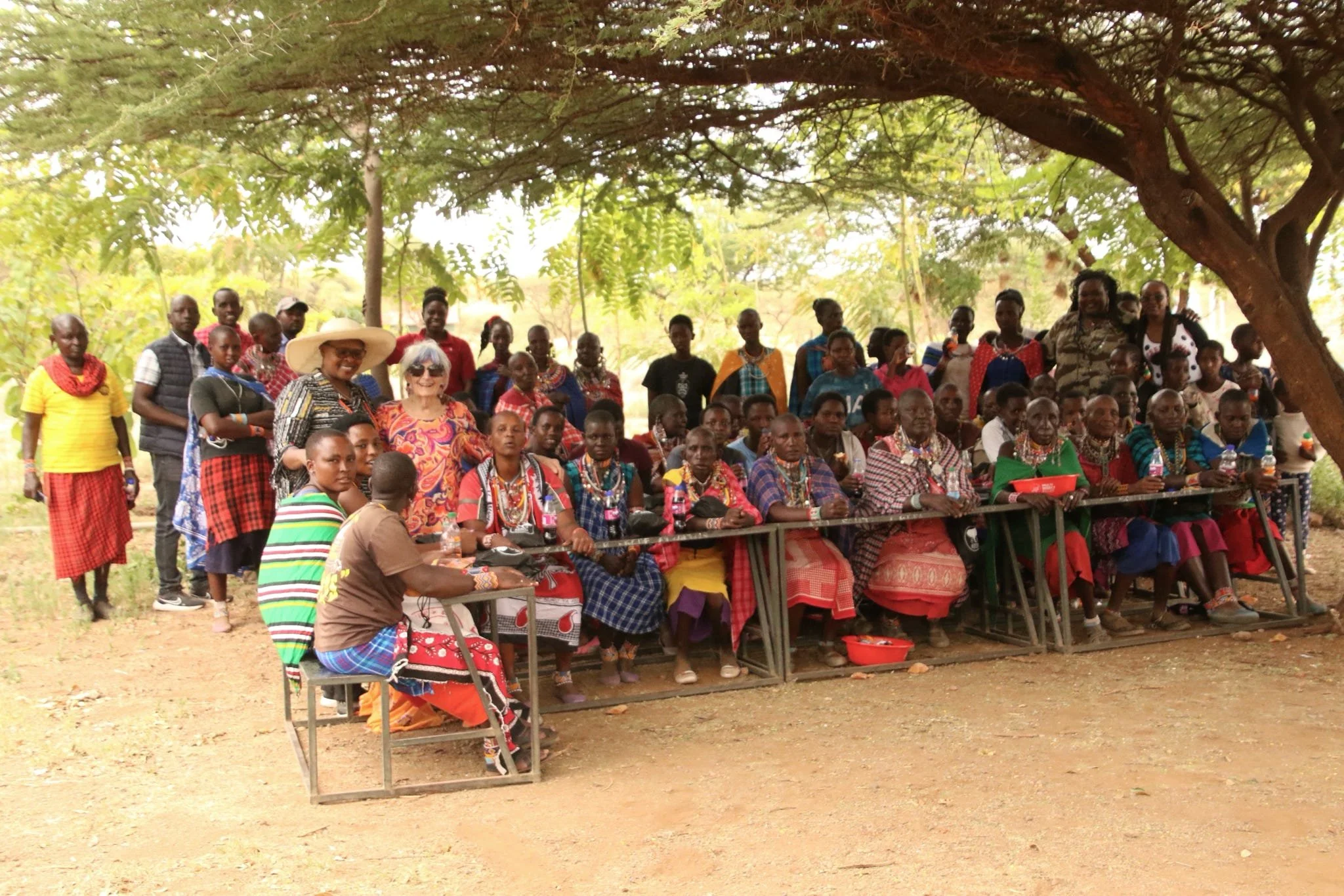
Dialogue as the Work
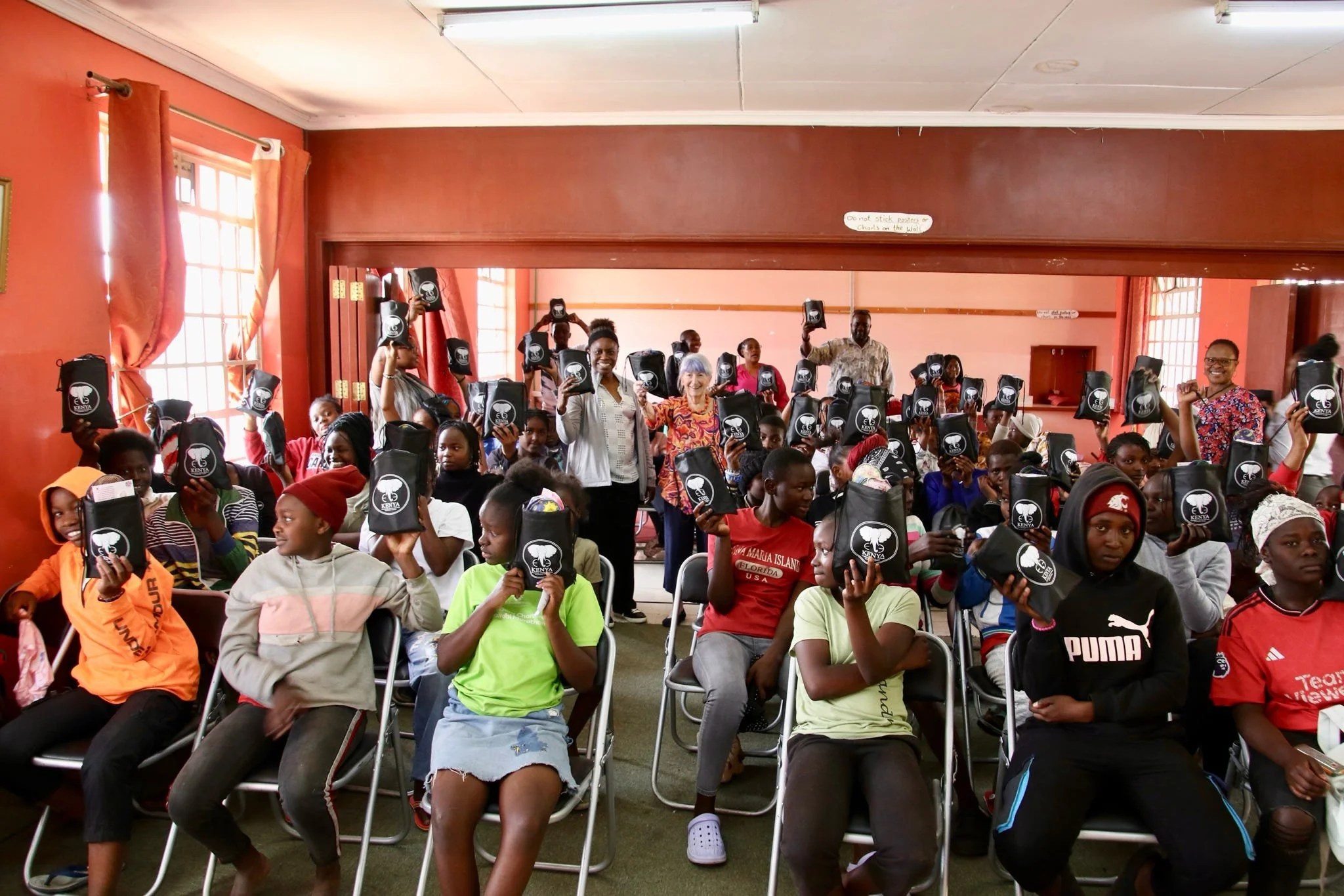
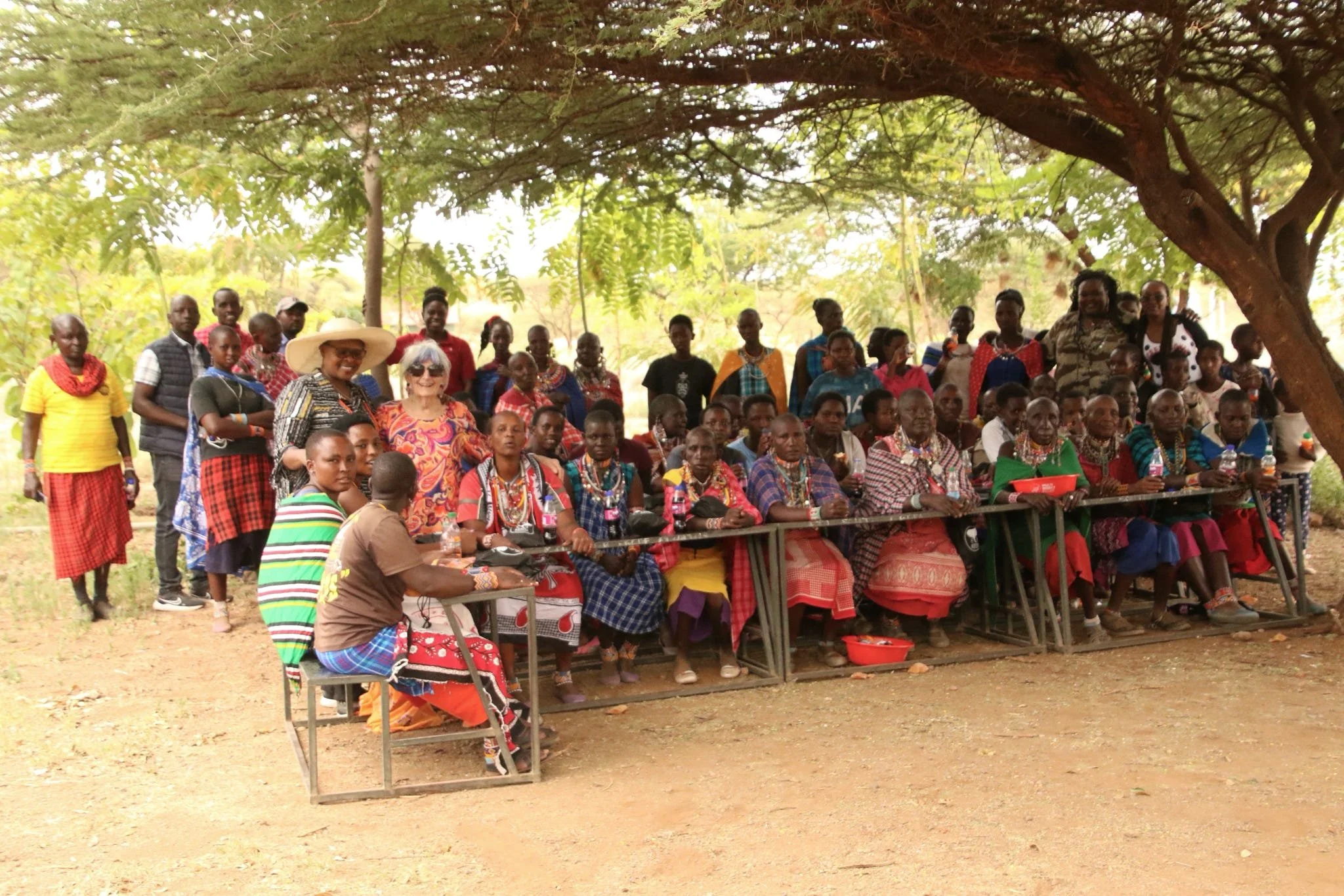
A central part of this trip was participating in dialogue sessions—spaces intentionally designed for conversation rather than instruction.
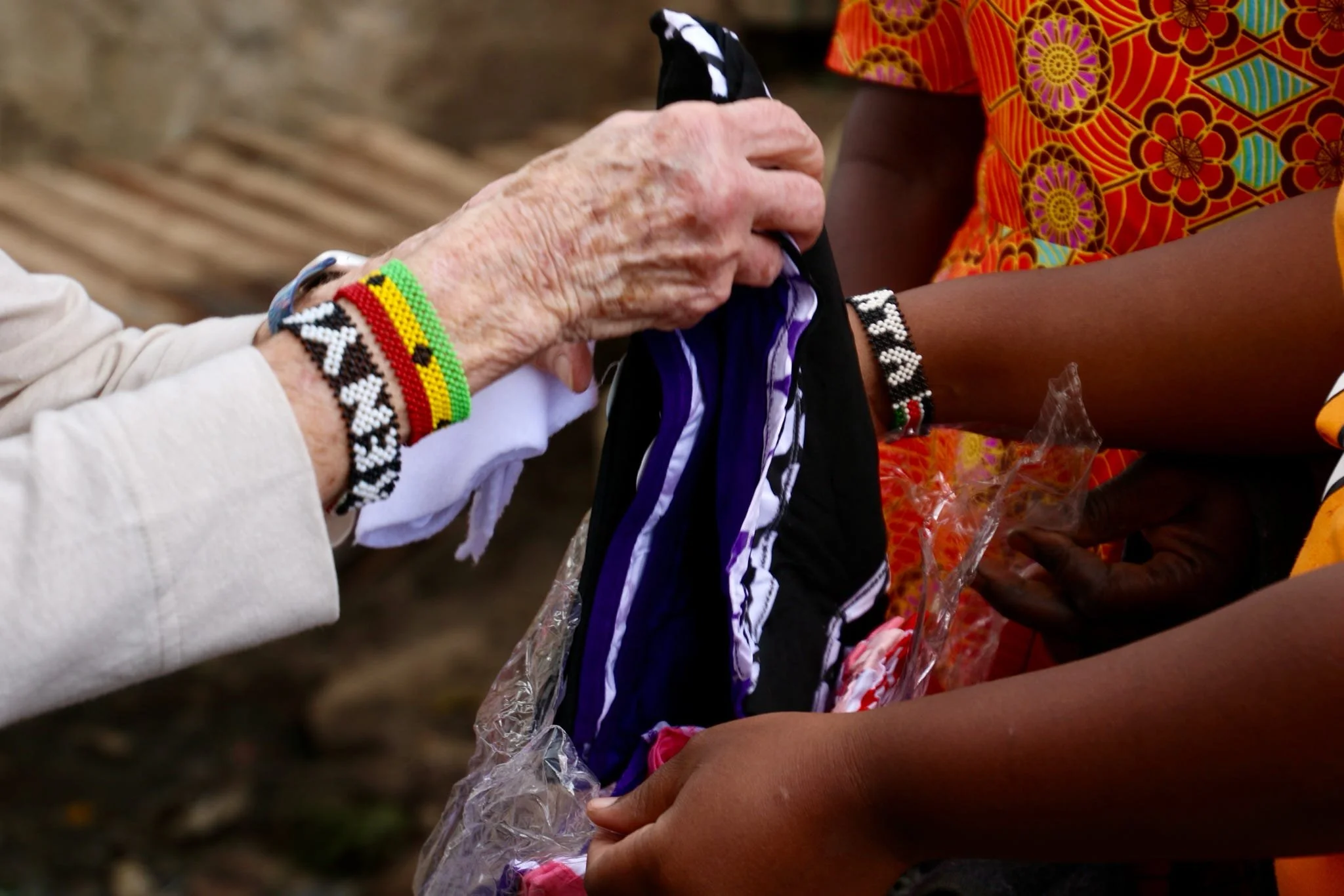
Dialogue creates room for voice. It allows complexity to surface. It reminds us that women’s health, particularly menstrual health, is never just about supplies or information. It is intertwined with family dynamics, cultural norms, gender roles, and community leadership. Accompaniment in these sessions meant resisting the urge to “fix” and instead creating space to listen, learn, and reflect together.
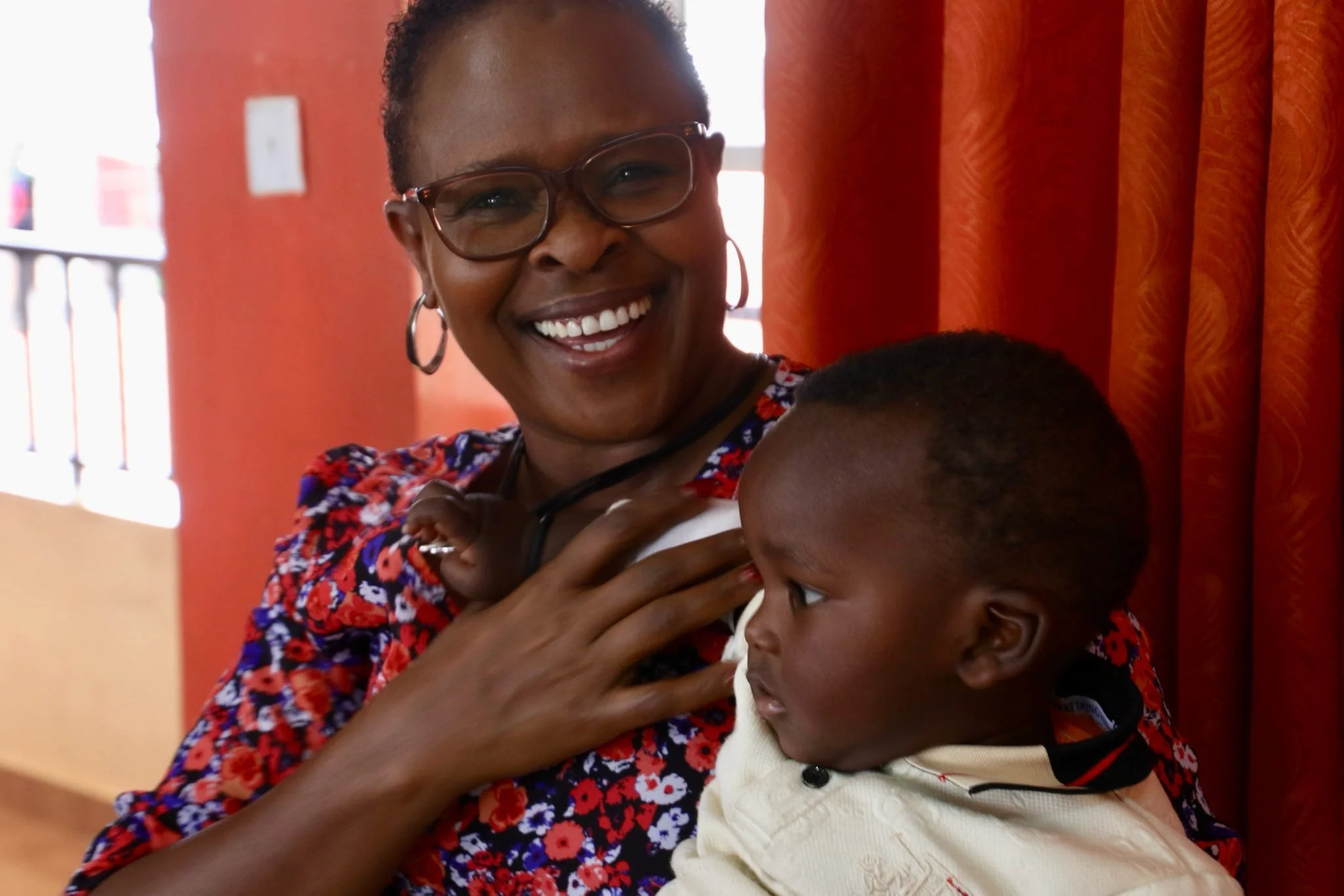
When Their Work Becomes Our Work
Somewhere along the way, the lines softened. What began as Channa Beth’s work through E3 Kenya became shared work. Not because I claimed it, but because I committed to understanding it.
That is the quiet power of accompaniment: shared purpose grows out of shared presence. It is built through time, trust, and repeated acts of showing up—not through agendas alone.
What I’m Carrying Forward
I’m returning home with a few reminders I don’t want to forget:
Accompaniment is a practice, not a posture.
Dialogue is both data and dignity.
Partnership grows from proximity to people, not proximity to outcomes.
Presence is often the most meaningful contribution we can offer.
Whether in rural Indiana or Kenya, this experience reaffirmed something I continue to learn in community-engaged work: the work beneath the work matters most—relationships, trust, and mutual respect. This reflection is one moment in an ongoing journey and is one I’ll continue to return to as Kenya keeps teaching me what shared work truly requires.